

The evolution of casinos A historical perspective on gaming culture
Origins of Gaming in Ancient Civilizations
The history of casinos can be traced back to ancient civilizations, where games of chance were an integral part of cultural practices. In ancient China, around 2300 B.C., rudimentary forms of gambling were evident, utilizing tiles and dice. Similarly, the Romans engaged in various games, often placing bets on gladiatorial contests and chariot races, highlighting the social aspect of gaming that transcended mere chance. Today, it’s interesting to note that many players are exploring non uk online casinos as an alternative entertainment option.

In these early societies, gambling served not only as entertainment but also as a means to foster community ties. Public gatherings often featured games, facilitating social interactions among citizens. This blend of recreation and social engagement laid the groundwork for what would eventually evolve into more structured forms of gambling.
The Birth of Modern Casinos
The modern casino as we know it began to take shape in the 17th century, particularly in Venice with the establishment of the Ridotto, a public gaming house. This venue marked a significant shift, as it formalized gambling into an organized industry, complete with regulations. The Ridotto’s success set a precedent for future establishments, leading to the proliferation of casinos across Europe.
As the popularity of gambling surged, so did the sophistication of gaming venues. The development of games like roulette and baccarat during this period showcased the blend of chance and strategy, further enticing gamblers. These games would become staples in casinos, shaping the landscape of gaming culture for centuries to come.
The American Casino Experience
The emergence of casinos in the United States transformed the gaming landscape dramatically. During the mid-19th century, the Gold Rush spurred the establishment of casinos in places like San Francisco and Nevada. The allure of quick riches attracted a diverse crowd, fostering a unique atmosphere of excitement and risk.
The creation of Las Vegas in the 20th century further revolutionized the casino experience. With its lavish resorts and entertainment options, Las Vegas became synonymous with gambling. This era also saw the introduction of slot machines, offering a more accessible form of gaming that appealed to a broader audience, ultimately driving the industry’s growth.
The Digital Transformation of Casinos
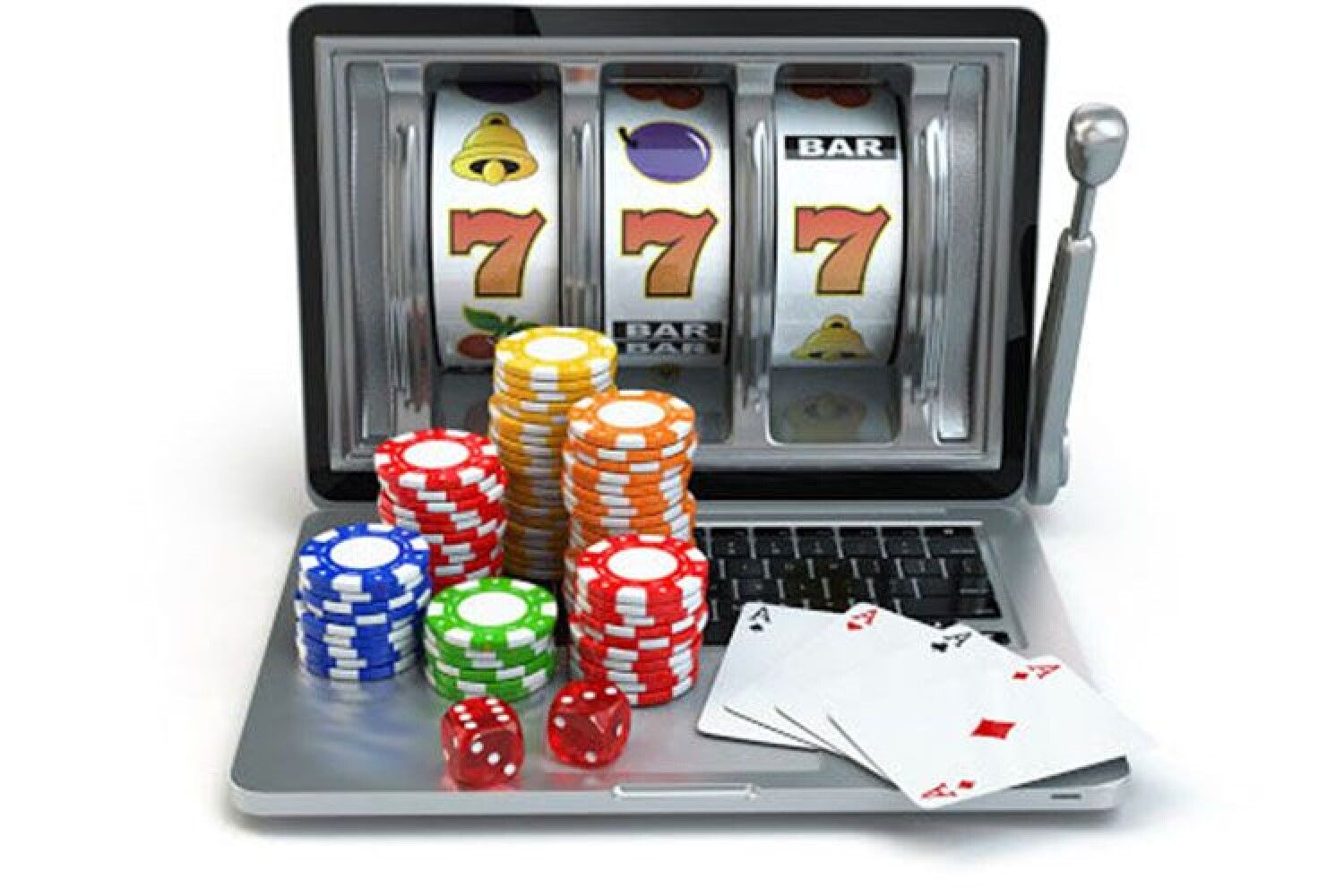
The advent of the internet in the late 20th century heralded a new era for casinos, leading to the rise of online gambling. Online platforms allowed players to enjoy their favorite games from the comfort of their homes, significantly expanding the reach of the gambling industry. The convenience of digital gaming attracted a younger demographic, reshaping gaming culture once again.
As technology advanced, innovations such as live dealer games and mobile gaming apps emerged, enhancing the online experience. This evolution emphasized the importance of user engagement, bringing a social dimension to virtual gaming. Online casinos not only mimicked traditional settings but also introduced new games, catering to diverse tastes and preferences.
Future Trends in Gaming Culture
As we look to the future, the evolution of casinos continues to be influenced by technological advancements and changing societal norms. The growing awareness of gambling addiction has prompted a shift towards responsible gaming practices, with many casinos implementing measures to promote player well-being. This focus on safety underscores the industry’s commitment to fostering a sustainable gaming environment.
Moreover, the integration of virtual reality and blockchain technology is poised to redefine the gaming experience. These innovations promise to create immersive environments and secure transactions, further enhancing the appeal of casinos. As gaming culture evolves, it remains deeply rooted in its historical foundations, reflecting both the joys and challenges of chance-based entertainment.